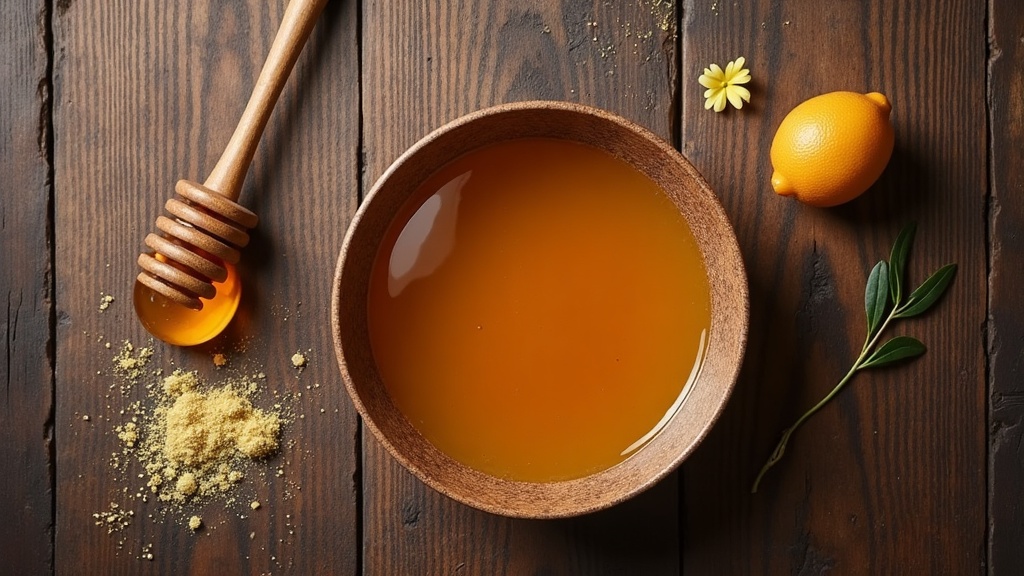
Every morning before her crossword, Grace stirs a spoonful of honey into warm water. It’s a small ritual — but the story behind why so many people her age have picked it up is worth five minutes of your time.
It usually starts small. A name on the tip of your tongue. Keys in the wrong room. Here’s what’s actually happening behind the scenes.
Deep sleep gets shorter with age, and that's exactly the phase the brain uses to file away the day's memories.
Coffee, screens, skipped breakfast — small routines pile up over decades and shape how sharp a day feels.
Circulation naturally decreases with age, and the brain is one of the first places that shows it.
Decades of low-grade stress don't disappear — they just become the background noise of daily thinking.
There’s a lot of noise out there. Let’s separate what’s commonly believed from what’s actually understood.
Memory loss is inevitable after 50.
Cognitive changes vary widely — lifestyle, sleep, and daily habits all play a documented role.
Natural ingredients like honey are just folklore.
Honey has been studied in various traditional and modern contexts, though it is not a treatment for any condition.
Nothing can be done once forgetfulness starts.
Many people explore small daily adjustments — sleep, nutrition, routine — as part of general wellness.
No gadgets, no complicated regimen. Just a small, repeatable routine built around one kitchen staple.
Not all honey is treated the same way. The tradition centers on raw, minimally processed varieties.
A warm drink, a quiet moment in the morning — consistency matters more than complexity.
Like any habit, it’s the repetition over weeks that people say makes the routine feel worthwhile.
Honey has held a place in kitchens and folk remedies for thousands of years, long before modern labs existed. Ancient texts from Egypt, Greece, and traditional Chinese medicine reference it as part of daily wellness rituals. Modern researchers have since taken interest in honey’s natural composition, studying its properties in various contexts — though no governing health body has approved it as a treatment for memory or cognitive conditions.
The interesting part isn’t a miracle claim. It’s that a centuries-old habit is finally being looked at with modern curiosity — nothing more, nothing less.
Forgetting what you were saying partway through a conversation, more often than before.
Keys, glasses, or your phone turning up in unusual places more frequently.
Blanking on names of people you see regularly, not just occasional acquaintances.
A mental haze that shows up after lunch and doesn't seem tied to lack of sleep.
Needing to go over the same page twice just to absorb it.
Struggling to follow a group conversation that has multiple speakers.
These testimonials reflect individual experiences and opinions. They are not a guarantee of any outcome, and results vary from person to person.
No. This content is educational and explores a traditional ingredient and habit. It is not a treatment, diagnosis, or cure for any condition.
It walks through the history and modern interest around honey as part of a simple daily routine, and why it’s gaining attention among adults 50 and older.
No. The routine discussed is a small daily addition, not a diet overhaul.
Honey has been studied in various academic contexts. However, no claims here suggest it treats, prevents, or cures any condition.
About five minutes. It’s a straightforward explanation, not a long presentation.
Anyone with dietary concerns or health conditions should speak with a healthcare professional before changing their routine.
It’s an old tradition that’s simply getting renewed attention — not a new discovery, just a rediscovered habit.
Watch the short video that explains where this tradition comes from and why so many people over 50 have started paying attention to it.
Advertising Disclosure: This page contains sponsored content and affiliate links. We may receive compensation if you make a purchase through links on this page. This does not affect the price you pay and helps support our editorial content.
Content Disclaimer: This content is for educational and informational purposes only. It has not been evaluated by the FDA. Nothing on this page is intended to diagnose, treat, cure, or prevent any disease or condition. Always consult a qualified healthcare professional before making changes to your diet, routine, or health regimen.
Results Disclaimer: Individual results vary. Testimonials and experiences shared on this page are not a guarantee of any specific outcome for any individual.
© 2026 · All Rights Reserved · albapersonalizado.com · /contact/